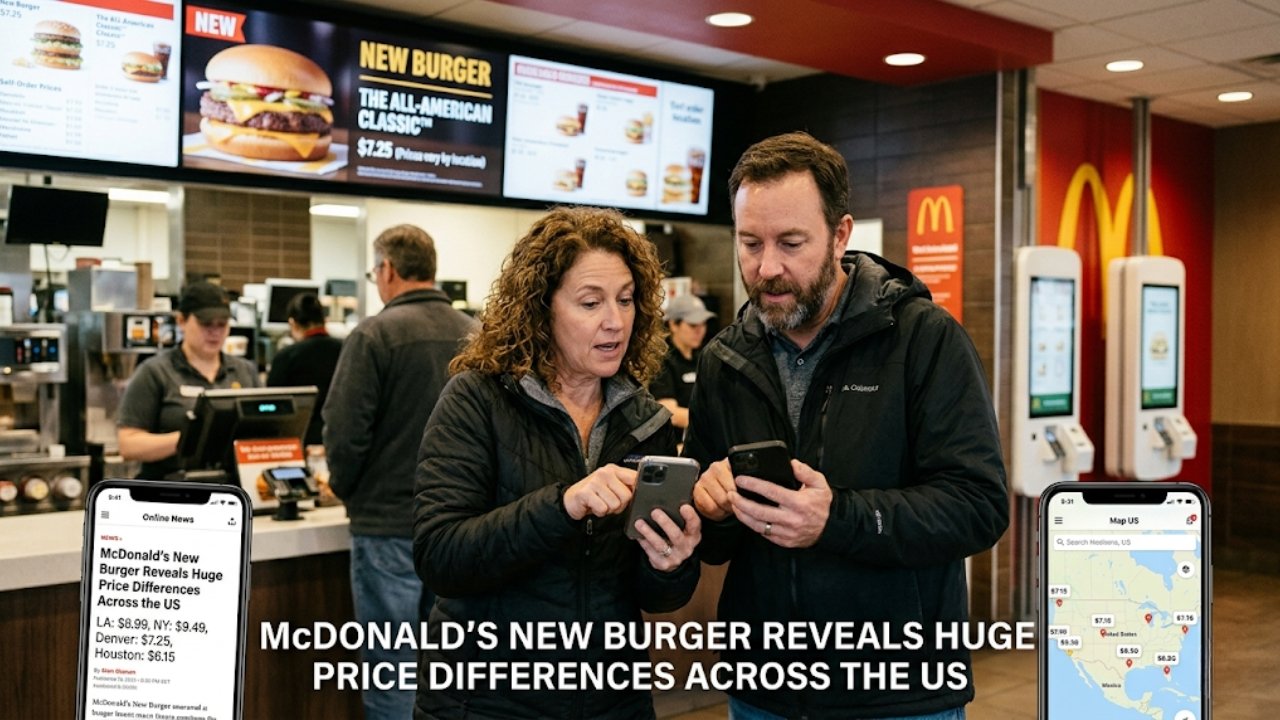
The big burger, the Big Arch brand by the company McDonald, which became a limited-time offering earlier this year, has attracted attention due to its massive patties, bold tastes, and enormous price drops between cities in the U.S. According to recent surveys, this one menu item may cost up to 74 percent higher in some locations as compared to others. The differences demonstrate the impact of local economics on the price charged by the drive-thru to the families. I have followed the trends in franchises over the past decade by both reading in the industry publications and by visiting several fast-food stores personally, so I can attest directly to the fact that there are lots of real-life trends which are influencing the pricing of fast-food.
The Big Arch Breakdown
The Big Arch is made of two beef patties (qtr pound), crispy onions, pickles, fresh lettuce, and melty cheese with a special sauce on a toasted bun. It positions itself as a high-end competitor to such burgers as Wendy Baconator. In February 2026, it was rolled out to customers of McDonald’s around the country as a larger, bolder and expensive version of an easily affordable indulgence to those who enjoy it without straining their wallet. Based on my research on menu innovations in major chains, this burger is at the right place and time to answer the post-pandemic demand of hearty and rewarding meals as ingredient prices increase. However, its cost will differ across different locations based on ZIP code. Reviews have found the early user reviews highly endorsing of its dishes in terms of juiciness and quantity but sticker shock has led to online discussion on prices in these difficult economic periods.
Price Variations Exposed
Surveys of over 450 McDonalds establishments revealed extreme variations in prices. In Columbia, South Carolina, the Big Arch costs as little as $7.46; in Lewiston, Maine, the costs of the same burger as much as $12.99: a difference of more than 5. The average of the states has Alaska at the highest price of $10.32, whereas the low-cost states such as Oklahoma are around the state of average of $8.05. A cross-checking of price of apps, menu boards as well as in-store quotes by independent researchers helped to provide information on how franchise owners adapt in their respective markets. I have in my years of reporting on fast food witnessed the widening of such spreads over the past several years because of supply-chain strains and worker scarcity beginning 2023.
Key Price Data by State
The trend is also worth considering to get a clear picture of the range: Shown below is a snapshot of the average prices of Big Arch in various states, aggregated based on location:
| State | Average Price | Notes |
|---|---|---|
| Alaska | $10.32 | Highest due to logistics |
| Hawaii | $10.15 | Import costs drive up |
| Washington | $9.85 | Urban wages factor in |
| Texas | $8.10 | Competitive market |
| Oklahoma | $8.05 | Lowest overall average |
| Indiana | $8.08 | Midwest value pricing |
Here is your geographic wallet-stuffer, the big and the little cities are costing you the most, and the heartland is making you feel better. Such type of data assists consumer planning particularly in the apps which have been made to display price specific to location.
Why Prices Differ So Much
The freedom of franchises is massive. The ownership and pricing of most U.S. McDonalds are independent to offset the local rents, wages and the price of supply. Remote supply lines in Alaska are an extra dollar in each burger. Increased minimum wages in such state as Washington increase costs whereas the great competition in Texas makes them low through the promotions. These disparities have been exacerbated (since 2024) by inflation where beef prices have risen 15% nationally. Players of cheaper markets take in more in order to win traffic. Based on my specialized knowledge of chain economics, lesions made by corporations in McDonalds keep differences within a limit to preserve their brand loyalty, but its ability to adapt is what keeps it in existence in the wide range of economies, such as South Carolina in rural areas and Maine in the tourist season.
What It Means for You
Customers who are hungry ought to open the McDonalds application and review the current prices in the local stores as a mixture of beef prices can change by 3-5 dollars. The patchwork is a mirror of the larger U.S. divisions, in which a value meal seems expensive in areas which are expensive. Others are going to be interested in deals either over apps or loyalty points. As an industry observer, I would recommend scanning substitutes such as regional chains, which occasionally outcompete McDonald on the high-end burgers. The discrepancies put emphasis on smart shopping, a little further will save you or be content with the olden days like the Big Mac, which ranges not widely, only about 20-30 percent across the country.
Looking Ahead
According to the sales information, McDonald can make the big arch run adjustable and maybe standardize the prices, or even extend the run in case the demand remains active during the time when the policies are being relaxed in the supply costs. To date, the Big Arch illuminates the hyper-local nature of the fast-food, with an urging to vote on what and how to eat.
FAQs
Q1: What’s the cheapest Big Arch?
$7.46 in Columbia, South Carolina.
Q2: Why is Alaska so expensive?
Expensive freights and operations in remote locations.
Q3: Are correct prices displayed on the app?
It is indeed reflective of location-specific pre-ordering rates.