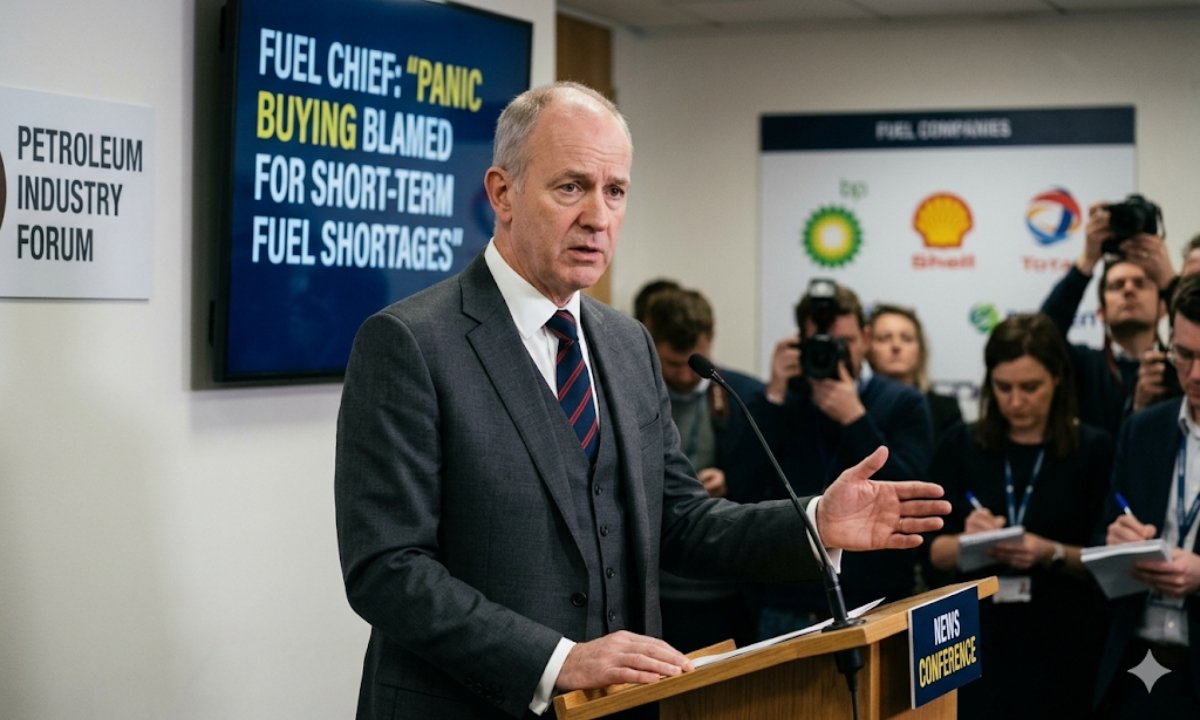
Once again, fuel prices and supply have become a closely observed phenomenon as the tension in the global arena and supply-chain problems collide into the domestic market. Recently, fuel officials in a number of countries have pointed the finger of panic buying at caused shortages in the pumps in the short term, although they claim that a sufficient amount of fuel is stored in the national reserves. It is this lack of connection between the image of the consumers and the reality that transpire that has made many consumers perplexed at the fact that a simple rush to fill the tanks can lead to the obvious type of strain to the system.
Reason piracy buying is drawing the attention of regulators.
The shortages are not as a result of a collapse in supply countrywide, but rather, say fuel chiefs, by fear-induced sudden increases in demand. When the geopolitical outbursts or shipping problems spread the word, some drivers refill their tanks more frequently or fill-up in anticipation in case of a potential issue. This action is capable of draining the stocks in the local depots despite the fact that the overall reserves of the country are still in the usual safety levels. Authorities have cited instances of hundreds of fuel service stations in such areas as portions of Australia and India as fuel stations drying up temporarily, not due to lack of fuel, but due to being drawn into the system quicker than it could be replaced to the retail level.
Panic buying how it limits the supply chain.
The classic form of fuel chain is large refineries, inland depots, regional distributors, then down to individual pumps. A link is connected with a buffer, but these buffers are not designed to handle a sudden upsurge but regular consumption. In the case of panic buying, smaller stations who have no long-term contract with the large importers or refiners are the first affected, as bigger customers are served by the bigger players. This has manifested in some areas whereby big franchise outlets only display normal operations with the small rural stations operating on temporary basis. Such disproportionate influence strengthens the feeling of scarcity, more fear-driven purchasing, and it is a vicious circle that may take a few days.
A current picture of the fuel behavior patterns in major regions.
| Region / Country | Main Trigger | Impact on Demand | Supply Status (Official View) |
|---|---|---|---|
| Parts of Australia | Wartime disruptions in the Middle East and social‑media rumors | Diesel demand up by roughly two‑thirds to three‑fold in some service areas | National reserves adequate; shortages chalked up to localized panic buying |
| Southern India | Messages about LPG and petrol shortages circulating on messaging apps | Petrol and diesel sales volumes jumped sharply in a few districts | State governments say fuel supply is stable and sourced through multiple routes |
| Some North American states | Rising crude prices and regional news about Middle East tensions | Gasoline purchases rose noticeably in early March | Authorities state inventories are normal, but retail queues grew due to over‑buying |
What concerns can be done by consumers to prevent the worsening of the crunch.
The most appropriate action that step drivers can take is not to hoard. Fuel the tank when you will use it, and not because you are afraid of it might run out. This maintains the local stocks and it prevents avoidable price spikes that occur as a result of short term demand shocks. The authorities also recommend that one should listen to government warnings and respond to unconfirmed social-media posts. In numerous situations, the authorities make people remember that national nan fuel stocks are meant to last a few weeks, and panic-induced hoarding will run down that buffer faster than any centralized system failure.
Fuel-market stress policy and communication.
Crisis management Fuel chiefs and energy regulators have come to pinpoint effective communication in a timely manner as a crucial requirement in crisis management. In times of fluctuation, or speculative gossip, direct wording by the reliable can defuse the panic at the pumps, whether it be national oil bodies, or even ministries of transport. In response to these in some governments, the black-market resale and price gouging have been whitened during such periods since, small-scale hoarding may be easily diffused into informal overheads where fees are significantly elevated. During the longer term, it is viewed that diversification of supply channels and transparent reporting of stocks will cut the chances and the effect of panic-based shortages.
FAQs
Q: Why is it that there will be no fuel at my local pump but there is much fuel in the country?
A: Local shortage occurs when there are more frequent or larger refills of vehicles by people and this depletes the station stocks more than the number of deliveries can supply. This is normally fueled by fear or rumors, and not the national shortage of fuel.
Q: Can we keep additional fuel in the house, in anticipation of shocks?
A: Small volume storage of fuel of the required equipment or emergencies is common, whereas storage of large volumes is hazardous and usually regulated. Excessive consumption also puts pressure on community resources, and may induce the shortages to which it is intended to offer relief.
Q: How many years are governments estimating fuel reserves under normal conditions?
A: A host of nations will have strategic fuel stores that will last various weeks of normal turnover, even if brief buying surges deplete some stations temporarily. Governments recommend that people should depend on these buffers and they should not hoard at the retail level.