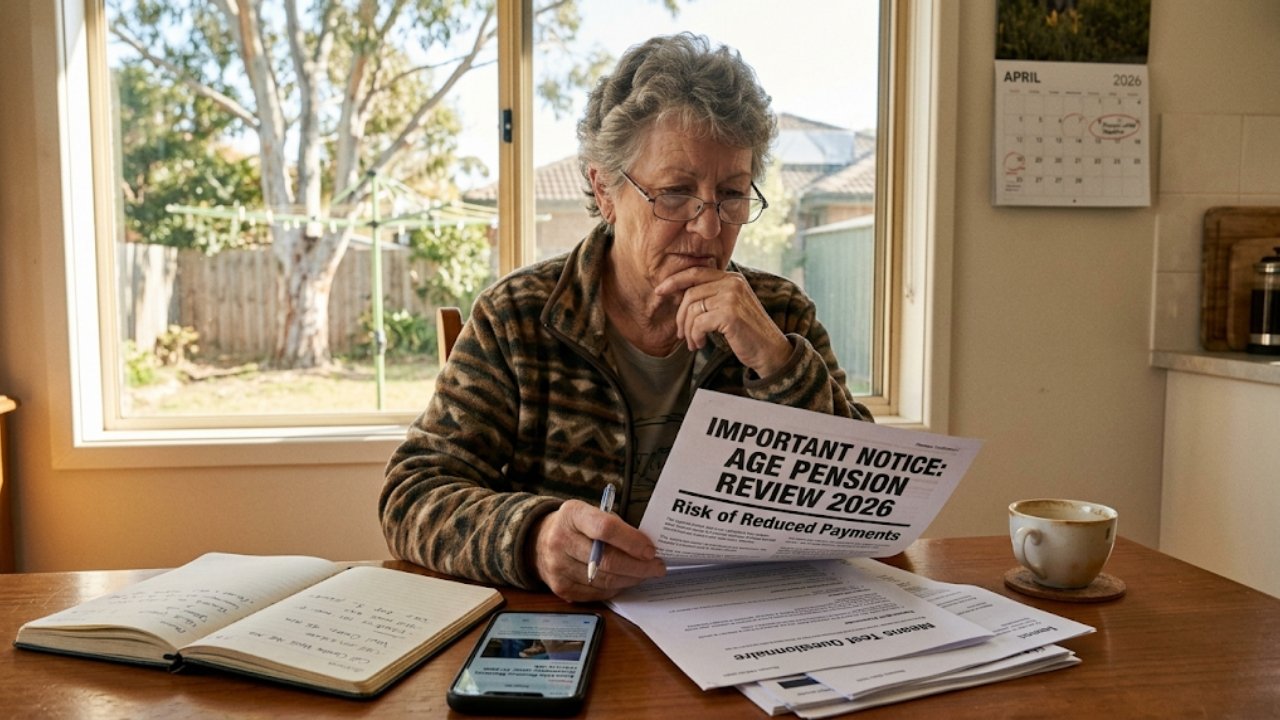
The Age Pension system in Australia is also being questioned in 2026. The threat poses to more seniors particularly those above 75, is that their payment will be diminished or even they would run out of the pension. The accruing cost of living, increasing energy and insurance prices, and understated additional tightening of income and assets tests say that the long-held notion of a secure pension is finally here to stay. To the individuals who are nearing the end of their 70s, the knowledge of these changes can mean the difference between a consistent retirement earnings and a financial crunch.
What is changing in 2026?
Starting in March 2026, Services Australia has increased the income-test and assets-test eligibility levels although the headline pension rate will increase slightly. Because of this, pensioners having small superannuation funds, investment properties, or larger houses will find themselves in a bracket where every additional dollar of taxable income or resources will decrease their weekly compensation. Experts fear the so-called bracket creep: as property prices increase or as deeming rates rise, an individual would be assessed as having a higher income at Centrelink yet they would not see a corresponding increase in the amount of money in their hands.
Why are the elderly over 75 vulnerable?
Senior individuals that are above 75 are particularly vulnerable since most of them have accumulated small savings and home equity throughout their entire lives, yet continue receiving relatively low income. The assets test may not apply when it comes to a fully owned home, however, mortgage balances, investment property, shares and superannuation balances do. When a senior draws out super or investment account lump sums, or the value of assets increases and the interest rates remain low, the extra funds will make them exceed the asset-test limits, leading to a partial or complete offsetting of Age Pension.
The important thresholds and their functioning.
A sliding scale is the current model that is applied to the Age Pension. The higher you go on the asset limit the greater the exercise of payment to slight changes of asset value. By way of illustration, a person who is only only slightly below the full-pension mark can still get a good pay, yet should values of home-equity proxies or investment valuation increase by even a few thousand dollars, the person may go down to part-pension or go out of claims altogether. This risk is increased by the deeming system, in that the investment accounts are evaluated at a normal rate of interest, even when the real performance of the market is lower.
The following is a simplified illustration of the way in which the assets test may alter the situation of one pensioner staying at home (at the March 2026 limits):
| Situation (single, home owner) | Approx. asset‑test threshold* | Likely pension impact |
|---|---|---|
| Total assets below full‑pension level | ~$315,000 (est.) | Full Age Pension, assuming other criteria met |
| Assets near threshold (~$300k–$330k) | Close to upper limit | High risk of part‑pension if assets rise |
| Assets above threshold | Above ~$315,000 | Reduced or no Age Pension, depending on excess |
The interaction between cost-of-living pressures and the risk.
There is a lack of actual decrease in the real value of Age Pension payments even when the rise in the costs of electricity, gas, private health insurance, and even the maintenance of the homes undermine it. A survey of pension-dependent retirees by National Seniors Australia (2026) revealed that a significant number of older adults are most concerned about covering the energy bills and insurance costs within the 12 coming years. When a senior is left with no choice, but to sell a given asset or accessing more of the super as a way of paying bills, Centrelink can consider that as a capital gain or additional assessable income, which further diminishes the pension.
How to defend your pension in practice.
In the case of anyone above 70 years old particularly above 75, proactive planning will save pension entitlement. Begin by starting with current assets superannuation, investment properties, shares and managed funds, and comparing that with the latest centrelink threshold tables. Even a consultation on the benefits of free or low-cost financial-planning over government-approved or community resources can be useful in an attempt to reorganize those assets or sources of income to minimise back-firing effects on the pension.
FAQs
Q: Is it possible that I lose my Age Pension when I reach 75?
A: No, your Age Pension is not canceled on the basis of age. But when your assets or income increase beyond the test limits it can be seen that your payment would be reduced or discontinued, at any age.
Q: Are home values included on the assets test all the time?
A: Family home is largely not subject to the assets test, however, a proxy value can still have an impact on the treatment of other assets; investment property, and other real estates are requested.
Q: Which is the frequency of changing the asset-test thresholds?
Q: Thresholds are normally determined and recalculated twice a year which is usually during the months of March and September so as to accommodate changes in inflation and view of the policy.