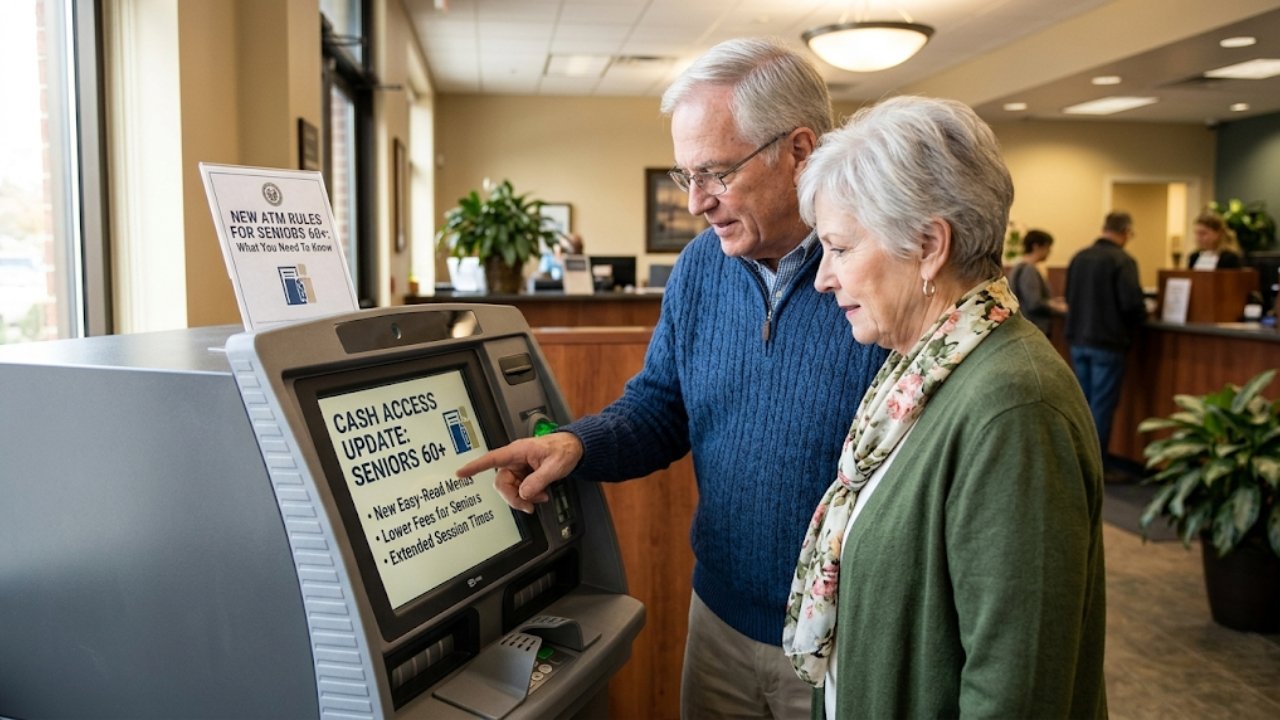
Getting cash dispensed by ATMs in the elders (60 years and above) has been the order of things in the day to day finances and more so in a nation like India where paper trails are slowly becoming popular but still cash is the king. ATM Rule changes, which become effective April 1, 2026, imply new changes that will directly affect the access of elderly users to their money. The changes are meant to promote digital banking and defend the vulnerable population, such as seniors, against unwarranted charges.
The ATM Transactions have undergone major changes.
Banks in India, both large and small, like HDFC and state-owned lenders, have changed their policies to allow the UPI-based cash withdrawals to be counted in the regular monthly free transaction cap. Up until now, UPI ATM withdrawals were not counted in the normal allowance- which is usually five free withdrawals at linkage machines of the bank. Beyond this quota, a fee of approximately Rs 23 will be incurred on an additional withdrawal, inclusive of taxes, and this may accumulate in agents who do this on a regular basis.
This action is in line with the bigger trend of simplifying banking and minimizing cash addiction, but it makes the elderly vulnerable due to their potential inability to easily monitor online transactions. Most older people tend to go to ATM rather than using an app due to familiarity, and these regulations are pushing them towards a minimal number of visits. On the good side, there are other banks that provide the senior citizens with long period of free limits or priority services, as they appreciate this special needs.
Special Facilities of the aged.
With the awareness of the issues experienced by individuals above the age of 60, various banks have punched out waivers or add-ons to suit those aged individuals. An example would be the institutional policies by organizations such as Central Bank of India permitting additional free transactions in a day to its elderly citizens, disabled individuals, or people with incapacities- in most cases up to three and above using classic debit cards. This would have maintenance cash requirements (pension withdrawals or doctor bills) that gets no penalties.
This is further supported by government-sponsored pension programs like the Indira Gandhi National Old Age Pension Scheme (IGNOAPS) which does direct deposits to the accounts through DBT. Age limits have also been raised in the year 2026 under pension, with central contributions of Rs 200 in the age bracket of 60-79 years and contribution of 500 in the age group of 80 and above, benefiting more than 2.21 disease. These steps are a combination of finances support and the real life banking adjustments to alleviate everyday stress.
| Bank Type/Category | Own Bank ATM (Free/Month) | Other Bank ATM (Free/Month) | Senior Citizen Extra |
|---|---|---|---|
| Standard Customers | 5 | 3 (metro), 5 (non-metro) | None |
| Senior Citizens (60+) | 5 + 2-3 extra daily | 3-5 + exemptions | Priority lanes |
| UPI ATM Withdrawals | Included in total | Included in total | Fee waivers possible ndtv+1 |
The Impact of These Rules on Our Everyday Life.
Consider a retired couple in Chandigarh who are based on a monthly pension to buy groceries and medicare. Unexpected charges may put their constant income under pressure in an environment of increasing prices. The new regulations encourage UPI and smaller cards to avoid the visits to the ATM and exposure to queues, which was a blessing in health-conscious times. However, to the less technologically adept seniors or those not in a large city this shift proves to be overwhelming, which is why banks have launched awareness campaigns and call centres.
As observers observe, although charges encourage the digital transitions, they cannot be detrimental to the aged. There are now several branches where senior-friendly ATM has superior counters, voice guidance, and more hours. Families are in a position to contribute by connecting accounts to ensure supervision or creating UPI wallets and transforming the possible challenges into doable habits.
Guidelines to help the Seniors make it through the Changes.
Keep ahead of the rest by opening an app with your bank or going to a nonbank and raise your limits on a case-by-case basis: most give unlimited free transactions to the senior, at specific locations. Use UPI-supported cards so that you can make withdrawals easily without the need to use PIN-code and combine trips in order to avoid exceeding free quotas. Should the charges go high, challenge them at the earliest opportunity through the customer care, since the policies safeguard the vulnerable users.
Once the pensions are linked to zero-balance accounts to evade the maintenance costs and consider a few state-specific benefits, like higher DBT speeds, to make the most of it. Regular statements will be useful in tracking of usage and this will foster independence without any surprises.
Creating Credibility in Banking in the Golden Years.
The ATM updates indicate that India is moving towards the cash-lite economy, albeit with the provision of safeguarding the seniors to make it more inclusive. People over 60 will be empowered by financial schemes put together by banks and government to manage finances easily by addressing elements of policies and empathies. The smooth sailing of these changes will be characterized by proactive actions as 2026 rolls out.
FAQs
Q: Can the elderly receive free ATM withdrawals?
A: No, although a lot of banks offer 2-3 additional transactions on a daily free basis to those 60+.
Q: Are the UPI ATM withdrawals free to the elderly?
A: They are counted in monthly caps, and there can be waivers in the seniors.
Q: How to prevent ATM fee after April 2026?
A: Reduce own-bank transactions to five a month, apply UPI options.